A Practical Guide for Contractors, Distributors & Project Buyers
Importing water tanks for overseas projects can significantly reduce costs — but one wrong decision can lead to delays, leakage, or even full project failure.
Whether you are sourcing for Africa, the Middle East, Southeast Asia, or South America, avoiding common mistakes is critical to ensure:
✔ Smooth customs clearance
✔ Fast installation
✔ Long-term durability
✔ Lower total project cost
Why Importing Water Tanks Is Risky Without Experience
Jumping into the import process without a clear understanding of the supply chain can expose you to significant risks. Importing a water tank involves more than just placing an order; it’s a complex undertaking that includes logistics, customs, and regulatory hurdles. Without years of industry experience, it’s easy to make common mistakes that lead to delays, unexpected costs, and even receiving a product that doesn’t meet your needs. These errors can range from incorrect documentation to selecting a supplier with a poor track record.
The most common mistakes people make when importing water tanks often stem from a lack of specialized knowledge. You might overlook critical details about material specifications, shipping requirements, or installation prerequisites. Each decision in the import journey has a ripple effect, and a small oversight can lead to major problems down the line. That’s why understanding the potential risks from the start is the first step toward a successful and stress-free importation.

Mistake #1: Choosing the Wrong Tank Type for Export
One of the most fundamental errors an importer can make is selecting the wrong tank type for their intended use. Not all storage tanks are created equal, and the ideal choice depends on factors like whether you’re storing potable water, the required capacity, and environmental conditions. For instance, a tank designed for industrial chemicals might not be suitable for drinking water due to the materials used in its manufacturing process. The thickness of the tank wall and the overall design must match the specific demands of your application.
Whether you are considering stainless steel or ISO tanks, a common mistake is failing to match the tank’s specifications to the final destination’s environment and use case. For example, a stainless steel tank might be excellent for hygiene, but its weight and cost could make it impractical for certain export scenarios. Similarly, while ISO tanks are standardized for transport, their internal linings and fittings must be appropriate for the liquid they will hold. Making the wrong choice can lead to premature degradation, contamination, and costly replacements.
Mistake #2: Ignoring Shipping & Container Optimization
Shipping and logistics are a huge part of the import equation, yet they are frequently underestimated. Failing to optimize how you ship your water tanks can lead to inflated costs from tariffs and transport fees. For example, large, pre-assembled tanks take up significant space in shipping containers, driving up expenses. Improper shipping practices can also lead to damage during transit, which can compromise the tank’s structural integrity before it even arrives for tank installation.
Thinking about how the tank will be packed and transported is essential. Can the tank be shipped in parts and assembled on-site to save space and reduce shipping costs? How many liters of storage can you fit into a single container? Answering these questions can help you make smarter logistics decisions. Overlooking this step means you could be paying much more than necessary or, worse, receiving a damaged product that is unfit for use.
Mistake #3: Not Considering Local Climate Conditions
The local climate at your tank’s destination plays a massive role in its long-term performance and durability. A water storage tank that works perfectly in one region may fail quickly in another. For instance, a tank installed in a hot, sunny climate needs to be UV-resistant to prevent material degradation and embrittlement. In coastal areas or regions with high humidity, corrosion resistance is paramount to prevent rust and structural weakening.
The falling quality of some imported tanks can often be traced back to a mismatch between the tank’s material and the environment. A tank designed for the mild weather of the United Kingdom might not withstand the extreme temperature fluctuations found in parts of North America. To prevent this, you must specify your climate requirements to the supplier. This ensures the materials and coatings used are suitable for your location, protecting your investment and ensuring a long service life.
Mistake #4: Overlooking Installation Conditions
A successful water tank import doesn’t end when the container arrives. How and where the tank will be installed are critical considerations that should be addressed long before you place your order. You need to think about the specific conditions at the installation site. Is the ground level and stable enough to support the tank’s weight? Are there any height restrictions that could affect the tank height? What kind of support structures will be needed?
To ensure proper installation, you must plan ahead. This includes assessing the site for accessibility—can a large tank or the necessary equipment even reach the location? You should also confirm that you have a clear plan for the foundation and any required fittings or connections. Overlooking these details can lead to major headaches during tank installation, causing delays, extra costs, and potentially compromising the safety and stability of your new water storage system.
Mistake #5: Not Checking Certifications & Standards
Importing a water tank without verifying that it meets local certifications and standards is a recipe for disaster. Different countries and even different states have specific regulatory standards for water storage, especially for potable water. In the United States, agencies like the EPA and FDA have guidelines that must be followed. A tank that doesn’t have the proper documentation and certifications might be rejected by customs or fail local inspections.
To ensure your imported water tank meets U.S. standards, you must demand proof of compliance from your supplier. Ask for documentation showing adherence to relevant standards like ISO, NSF/ANSI for drinking water, or other specific regulatory requirements. Reputable suppliers will be transparent and able to provide certificates from audits or testing. Don’t just take their word for it; getting the right documentation upfront will save you from potential legal issues and ensure your tank is safe and compliant.
Mistake #6: Focusing Only on Initial Price
It’s tempting to choose the cheapest water storage tank available, but focusing solely on the initial price is a short-sighted strategy. A low upfront cost often signals the use of inferior raw materials, which can lead to a shorter service life, frequent repairs, and questionable durability. The true cost of a tank includes not just the purchase price but also its maintenance, longevity, and overall performance over time.
A common maintenance mistake to avoid is assuming a cheap tank will perform like a high-quality one. A lower-quality tank may require more frequent inspections for corrosion, leaks, and structural weakness. It might also need a protective coating or liner much sooner than a tank made from better materials. Investing a bit more initially in a tank known for its durability can save you a significant amount of money and hassle in the long run.
Mistake #7: Choosing the Wrong Supplier
The supplier you choose can make or break your import experience. An unreliable supplier can cause a host of problems, from poor quality control and missed deadlines to incorrect documentation that stalls your shipment at customs. It’s crucial to partner with a reputable supplier who has a proven track record in the industry and a transparent supply chain. Key considerations should include their manufacturing standards, communication practices, and ability to provide comprehensive support.
Before committing, do your due diligence. Ask for references, look at case studies, and inquire about their quality assurance processes. Do they conduct regular inspections during manufacturing? Can they provide all the necessary documentation for a smooth import process? A trustworthy supplier will be forthcoming with this information and will work with you as a partner to ensure the quality and success of your project.
Real Buyer Insights
Experienced importers often share similar stories about the challenges they’ve faced. A common theme in these buyer insights is the critical importance of accurate documentation. Simple clerical errors or missing paperwork can lead to significant delays in shipments, with containers stuck at port for weeks. These delays not only disrupt project timelines but also rack up expensive storage fees.
One of the most frequent issues is a mismatch between the commercial invoice, the packing list, and the bill of lading. Such documentation errors are red flags for customs officials and can trigger lengthy inspections. Here are some common documentation errors that cause problems for water tank orders:
Error Type | Description | Consequence |
|---|---|---|
Incorrect HTS Code | Using the wrong Harmonized Tariff Schedule code for the water tank. | Incorrect tariffs applied, potential fines. |
Value Discrepancy | The declared value on the invoice doesn’t match supporting documents. | Customs delays, audits, and penalties. |
Incomplete Product Description | The description of the water tank is vague or missing key details. | Shipment held for clarification. |
Missing Certificates | Required certifications (e.g., for material safety) are not included. | Import refusal or mandatory testing. |
Why Modular GRP / FRP Water Tanks Are the Best Choice for Import
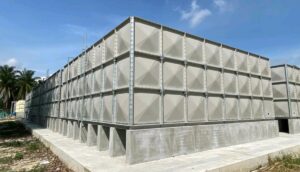
When considering importing a water storage tank, modular GRP (Glass Reinforced Plastic) or FRP (Fiber Reinforced Plastic) tanks present a compelling solution. Their key advantage lies in their modular design. These tanks are shipped in panels, which can be packed tightly into containers, dramatically reducing shipping costs compared to bulky, pre-assembled tanks. This design also simplifies transportation to the final installation site, even in areas with limited accessibility.
Beyond logistics, GRP/FRP tanks offer excellent durability and corrosion resistance, addressing quality concerns from the outset. This inherent resistance to rust and environmental degradation means a longer service life and less maintenance. The ease of tank installation is another major benefit, as panels can be assembled on-site with standard tools. Choosing a modular GRP/FRP tank is a smart way to avoid quality issues and logistical nightmares, ensuring you receive a high-performance, long-lasting water storage solution.
How to Import Water Tanks the Right Way
Importing water tanks successfully comes down to careful planning and following best practices. Avoiding common pitfalls requires a proactive approach that covers every stage of the process, from supplier selection to final installation. To avoid quality issues and ensure a smooth journey for your water storage solution, you need to be thorough with your research and meticulous with your paperwork. This diligence will pay off by preventing costly delays and ensuring you get the product you expect.
By building a clear strategy, you can navigate the complexities of international shipping and customs clearance with confidence. Here are some key steps to follow:
Vet Your Supplier: Thoroughly research potential suppliers. Check their certifications, ask for references, and verify their experience with exporting to your country.
Double-Check All Documentation: Ensure all paperwork, including the bill of lading, commercial invoice, and certificates of compliance, is accurate and complete before shipping.
Plan for Logistics: Work with a freight forwarder who has experience with oversized items and understands the customs clearance process in your region.
Understand Total Costs: Factor in shipping, tariffs, insurance, and on-site assembly costs to understand the total investment.
Get Expert Support for Your Water Tank Import Project
We specialize in export-ready modular water tanks, including:
- GRP Water Tanks
- FRP Water Tanks
- SMC Panel Tanks
✔ Free project design & drawings
✔ Container loading optimization
✔ Installation guidance
✔ Fast global delivery
Conclusion
Importing water tanks can be a complex process filled with potential pitfalls. By recognizing and avoiding common mistakes—like choosing the wrong tank type, ignoring shipping optimization, and overlooking local climate conditions—you can ensure a smoother import experience. Always prioritize quality and compliance with certifications to avoid future complications. Implementing the right strategies not only secures your investment but also enhances the longevity and functionality of the tanks you import. If you’re ready to take the next step in your water tank project, don’t hesitate to get quotes from experienced suppliers who can guide you through the process efficiently.
Frequently Asked Questions
What are the first steps I should take when selecting a water tank supplier?
Start by researching suppliers with years of industry experience and a proven track record. Ask for quality certifications, past project examples, and proof of successful audits. Request all necessary documentation upfront to ensure they can meet your country’s import requirements and quality standards before you commit.
How can I ensure my imported water tank meets U.S. standards?
To ensure compliance, demand documentation from your supplier showing adherence to U.S. regulatory standards. This includes certification for materials that come into contact with potable water, as required by agencies like the EPA or FDA. Always verify the certification is valid and applicable to your specific tank model.
What early signs indicate problems with an imported water tank?
Early warning signs include visible leaks or seepage around seams, especially after tank installation. Also look for signs of corrosion or rust, discoloration of the water suggesting contamination, and any blistering or peeling of the protective coating. These issues point to potential material or manufacturing defects.