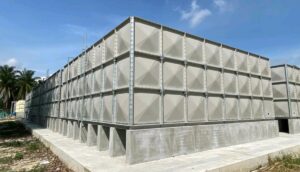
In industrial operations, a water tank is more than just a storage container; it is a critical component of your production line, fire protection system, or municipal infrastructure. Choosing the wrong tank can lead to catastrophic leaks, costly downtime, and legal compliance issues.
As global water standards evolve in 2026, making an informed decision requires looking beyond the initial price tag. Here are the top 7 factors you must evaluate to ensure your investment lasts for decades.
Top 7 Factors to Consider When Selecting an Industrial Water Tank for Large-Scale Projects
When you’re dealing with large volumes of water for industrial applications, selecting the right industrial water storage tank is essential for smooth operations. A poor choice can lead to costly downtime, contamination, or safety hazards. Your decision should be based on a careful evaluation of several key factors that influence performance and longevity.
From the tank material to your budget, each element plays a role in finding the perfect fit. In the following sections, we will explore the seven most important factors to consider, ensuring your water storage solution is reliable, efficient, and built to last.
1. Material Type and Durability
The material of your tank is one of the most critical decisions you’ll make, as it directly affects durability, maintenance needs, and water quality. Different materials offer varying levels of corrosion resistance and are suited for specific contents. For instance, stainless steel is an excellent choice for applications requiring high hygiene, like food processing, while coated steel tanks are durable options for industrial cooling water.
Your choice of tank material should align with the type of liquid you plan to store. A material that is incompatible with your water’s chemistry can lead to rust, degradation, and a shortened lifespan. Investing in the right material from the start can extend a tank’s life by up to 25% and significantly reduce maintenance costs.
Consider these material options for their best-use cases:
Stainless Steel: Ideal for drinking water, labs, and the food and beverage industry due to its hygienic properties and high corrosion resistance.
Fiberglass Tanks: A lightweight and chemical-resistant option suitable for chemical processing and water treatment.
Enamel-Coated Steel Tanks: Offers a hygienic surface that is easy to clean, making it great for potable water and commercial storage.
Pro Tip: Always request a material compatibility test if you are storing treated industrial wastewater.
2. Tank Capacity and Future Expansion Needs
Figuring out the right tank size involves more than just your current daily water usage. You need to account for fluctuations in your operations, including seasonal peaks in water demand and any plans for future expansion. Selecting a tank that is too small can cause operational interruptions, while an oversized tank can be an unnecessary expense.
Planning for your future needs is a smart way to ensure your water supply remains adequate in the long run. For example, a facility that experiences seasonal spikes in water consumption might benefit from a tank that is 15-20% larger than its current daily requirement. This buffer provides flexibility and prevents shortages during critical periods.
Here’s a simple breakdown of what to consider when calculating capacity:
Factor | Importance for Capacity Planning |
|---|---|
Daily Water Usage | Establishes the baseline volume your operations require. |
Seasonal Fluctuations | Ensures you can handle periods of increased water demand without interruption. |
Future Expansion | Accommodates business growth, avoiding the need for a costly replacement later. |
3. Safety Features and Compliance Standards
Ensuring your industrial water tank meets all relevant safety standards is non-negotiable. Adhering to regulatory compliance not only guarantees the safety of your personnel and facility but also ensures you are legally covered. Certifications from organizations like the National Sanitation Foundation (NSF), American Society for Testing and Materials (ASTM), or the International Organization for Standardization (ISO) are key indicators of quality and safety.
Beyond certifications, you should look for specific safety features that enhance the tank’s structural integrity and functionality. These can include durable protective coatings to prevent corrosion, proper ventilation systems, and secure access points for maintenance. For applications like fire protection, the tank must meet specific codes to function reliably in an emergency.
Key compliance and safety points to check for include:
NSF Certification: Essential for tanks storing potable water to ensure the water remains safe for consumption.
Structural Integrity: The tank should be designed to withstand environmental pressures and the weight of the water.
Fire Protection Standards: If used for fire suppression, the tank must comply with regulations like those from the NFPA.
4. Chemical Compatibility with Stored Contents
A crucial factor in your selection process is ensuring the tank’s material is chemically compatible with the contents it will hold. Industrial process water, chemicals, and wastewater can be corrosive or reactive, and using an incompatible tank material can lead to leaks, contamination, and premature failure. This is why understanding your specific needs is so important.
The type of liquid you are storing will determine the best material for your tank. For example, industrial process water may contain minerals that accelerate corrosion in standard steel, making stainless steel or a fiberglass tank a better option. Testing your water or stored liquid for its chemical composition can help you make an informed decision and prevent costly problems down the line.
Here are some examples of matching materials to stored contents:
Stainless Steel: Best for high-purity water, food products, and pharmaceuticals where preventing contamination is critical.
Fiberglass (FRP): A great choice for storing chemically aggressive liquids often found in wastewater treatment or chemical processing.
Coated Steel: Can be used for a wide range of contents, including process water and crude oil, as the coating provides a protective barrier.
5. Installation Location and Site Conditions
Where you plan to install your water tank significantly influences the type of tank you should choose. The installation location, whether indoors, outdoors, or underground, comes with its own set of challenges and requirements. You need to evaluate the available space, structural capacity of the area, and the surrounding environmental conditions.
Outdoor tanks, for instance, must be built to withstand high temperatures, UV exposure, and harsh weather, which can accelerate degradation. In contrast, indoor tanks are protected from the elements but may be limited by ceiling height and floor load capacity. Underground tanks are excellent for saving space and protecting water from environmental factors, but they require proper excavation and structural reinforcement.
Consider the pros and cons of each installation location:
Indoor: Offers protection from weather but requires careful space management and ventilation.
Outdoor: Provides flexibility in size but needs materials or coatings that resist UV rays and temperature swings.
Underground: Saves valuable surface space and maintains stable water temperature, but installation is more complex and costly.
Our Solution: We provide site-specific structural calculations to ensure your tank meets local seismic and wind codes.
6. Maintenance Requirements and Longevity
When selecting an industrial water tank, it’s wise to think about its long-term upkeep. The amount of maintenance required can impact your operational budget and the tank’s overall service life. Some materials offer minimal maintenance, while others demand more frequent attention to ensure water safety and structural integrity.
For example, stainless steel and enamel-coated tanks are known for their excellent corrosion resistance and typically require little more than routine cleaning. On the other hand, standard steel tanks may need periodic inspections and re-application of anti-corrosion treatments to prevent rust. Understanding these maintenance costs upfront helps you make a more financially sound decision.
Here’s how maintenance can vary by material:
Stainless Steel Tanks: Require minimal maintenance, primarily sediment removal and cleaning, leading to a long service life.
Steel Tanks: Need regular inspections for corrosion and may require periodic re-coating.
Fiberglass Tanks: Should be monitored for leaks, UV degradation, and structural stress over time.
7. Cost, Budget, and Ease of Installation
While the initial cost of a tank is an important part of your budget, it’s not the only financial factor to consider. A smarter approach is to evaluate the total cost of ownership (TCO), which includes the purchase price plus the costs of installation, maintenance, and the tank’s expected lifespan. A cheaper tank might save you money upfront but could lead to higher maintenance expenses and an earlier replacement.
The ease of installation also plays a significant role in the overall cost. A tank that is difficult to install will require more labor and specialized equipment, driving up project expenses. For example, bolted steel tanks can often be assembled on-site more quickly than other types, potentially reducing installation time and costs.
When planning your budget, be sure to account for:
Upfront Cost: The initial purchase price of the tank.
Installation Expenses: Includes labor, site preparation, and any necessary equipment.
Long-Term Costs: Factoring in maintenance, repairs, and the tank’s projected lifespan to determine the true value.
Conclusion: Make a Future-Proof Choice
Selecting the right industrial water tank is a strategic decision that impacts your operational efficiency, safety, and bottom line for years to come. By carefully considering material, capacity, location, compliance, and total cost, you can secure a reliable water storage solution that meets your needs today and in the future. Investing in a high-quality tank that maintains water quality and requires minimal upkeep is one of the smartest choices you can make for your facility.
Ready to Secure Your Water Storage?
Don’t leave your project to chance. Our team of engineers is ready to help you design a solution that fits your exact needs.
Request a Free Quote: Get My Personalized Quote within 24 Hours
Direct Consultation: Mail to [email protected], chat with a specialist immediately.
Frequently Asked Questions
What regulations and standards apply to industrial water tanks in the US?
In the US, industrial water tanks must meet various compliance standards depending on their use. For potable water, NSF/ANSI 61 is a key certification. Other important standards include those from ASTM for materials and construction, as well as local building and fire codes, such as those set by the NFPA for fire protection storage tanks.
How does ease of installation impact the selection process for industrial water tanks?
Ease of installation directly affects the total project cost and timeline. A simpler installation reduces labor expenses and minimizes operational downtime. Complex installations, such as those for underground tanks or in tight commercial settings, can significantly increase the budget, making ease of installation a crucial factor in achieving reliable water storage affordably.
Why is regular maintenance essential for industrial water tank performance?
Regular maintenance is vital for ensuring a long service life and preserving water quality. It helps detect and address potential issues like corrosion, leaks, or sediment buildup early on. This proactive approach prevents costly failures, ensures the tank operates safely, and protects the integrity of the stored water, regardless of the tank material.