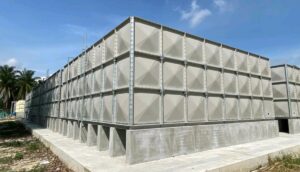
Selecting the right water tank material for drinking water is a critical decision that directly affects water safety, hygiene, and long-term system performance. Unlike industrial or non-potable water storage, drinking water tanks must maintain water quality without introducing contaminants, odors, or chemical reactions over time. The material used plays a decisive role in preventing corrosion, bacterial growth, and secondary pollution, especially in regions with high temperatures, variable water quality, or extended storage cycles.
In residential, commercial, and municipal applications, water tanks are expected to deliver not only sufficient capacity but also consistent compliance with potable water standards. Factors such as material stability, resistance to corrosion and aging, ease of cleaning, and lifecycle cost all influence the suitability of a tank for drinking water use. Understanding the strengths and limitations of common water tank materials—such as stainless steel, FRP, plastic, concrete, and galvanized steel—provides a practical foundation for selecting the most reliable solution for safe drinking water storage.

Key Criteria for Drinking Water Tank Materials
Selecting a suitable water tank for drinking water requires a structured evaluation of multiple technical and hygiene-related factors. Each criterion below addresses both water safety and long-term operational reliability, helping project owners and engineers avoid material-related risks throughout the tank’s service life.
Food Safety and Hygiene Compliance
Food safety is the foremost requirement for any drinking water tank. The material must be non-toxic, chemically stable, and suitable for continuous contact with potable water without releasing harmful substances. Food-grade materials help prevent taste, odor, and color changes in stored water. In addition, smooth internal surfaces reduce bacterial adhesion and biofilm formation, making cleaning and disinfection more effective and supporting long-term hygiene control.
Corrosion and Chemical Resistance
Drinking water may contain chlorine, minerals, or varying pH levels that can accelerate material degradation. Strong corrosion and chemical resistance prevent rust, scaling, and surface breakdown that could contaminate water and weaken the tank structure. Materials with stable chemical properties perform more reliably in diverse water conditions, especially in regions with aggressive water quality or high temperatures that intensify corrosion risks.
Structural Strength and Durability
Structural integrity is essential for maintaining safe and uninterrupted water storage. Drinking water tanks must withstand internal water pressure, external loads, and long-term environmental exposure without cracking or deformation. Durable materials reduce the risk of leakage and structural failure, particularly in large-capacity, rooftop, or elevated installations. Consistent strength over time also minimizes repair frequency and enhances overall system safety.
Installation Flexibility and Maintenance Requirements
Installation conditions vary widely across residential, commercial, and municipal projects. Materials that support modular assembly, flexible sizing, and easier on-site installation can significantly reduce construction time and labor costs. From a maintenance perspective, tanks that resist internal fouling and allow easy inspection and cleaning improve operational efficiency, helping operators maintain potable water standards with minimal downtime.
Lifecycle Cost and Long-Term Reliability
Evaluating lifecycle cost is critical for drinking water infrastructure planning. While some materials offer a lower initial purchase price, higher maintenance needs or shorter service life can increase total ownership cost. Materials with proven long-term stability, low maintenance requirements, and extended lifespan typically deliver better economic value, especially for large-scale or long-term drinking water storage applications.
Stainless Steel Water Tanks for Drinking Water
Stainless steel water tanks are widely recognized for their high hygiene standards and long service life in potable water applications. Their stable material properties and corrosion resistance make them a preferred option for projects with strict water quality requirements.

SS304 vs SS316 Material Grades
SS304 and SS316 are the most commonly used stainless steel grades for drinking water tanks. SS304 offers good corrosion resistance and is suitable for standard potable water conditions. SS316 contains molybdenum, providing enhanced resistance to chlorides and aggressive water environments, making it more suitable for coastal areas, hospitals, and high-end commercial projects with higher water quality demands.
| Comparison Factor | SS304 Stainless Steel | SS316 Stainless Steel |
|---|---|---|
| Chemical Composition | Chromium–Nickel stainless steel | Chromium–Nickel–Molybdenum stainless steel |
| Corrosion Resistance | Good resistance under standard potable water conditions | Superior resistance, especially against chlorides and aggressive water |
| Chloride Tolerance | Moderate | High |
| Suitability for Coastal Areas | Limited | Highly suitable |
| Water Quality Protection | Stable and safe for normal drinking water | Enhanced protection in high-purity or chemically treated water |
| Typical Applications | Residential buildings, schools, standard commercial projects | Hospitals, coastal projects, high-end hotels, pharmaceutical and food facilities |
| Service Life Expectation | Long-term under normal water conditions | Extended lifespan in harsh or corrosive environments |
| Material Cost Level | Lower | Higher |
Hygiene Performance and Water Quality Protection
Stainless steel has a smooth, non-porous surface that minimizes bacterial growth and prevents biofilm accumulation. This characteristic helps maintain consistent water quality over long storage periods. Unlike coated materials, stainless steel does not rely on internal linings that may degrade over time, reducing the risk of secondary contamination and simplifying long-term hygiene management.
Durability, Maintenance, and Service Life
Stainless steel water tanks are known for their structural strength and resistance to aging. They can withstand temperature fluctuations, pressure variations, and long-term use with minimal deformation. Maintenance requirements are relatively low, primarily involving periodic cleaning and inspection. With proper installation and upkeep, stainless steel tanks often achieve service lives exceeding several decades.
Typical Applications and Limitations
These tanks are commonly used in hospitals, hotels, commercial buildings, and municipal drinking water systems where hygiene and reliability are critical. However, stainless steel tanks generally have a higher initial cost and greater weight compared to plastic or FRP options, which may affect budget-sensitive projects or installations with strict load limitations.
FRP (Fiberglass Reinforced Plastic) Water Tanks for Drinking Water
FRP water tanks are widely used in drinking water systems due to their corrosion resistance, modular structure, and stable hygiene performance. Compared with traditional metal tanks, FRP offers a balanced solution for projects that require flexibility, durability, and consistent water quality across different environments.

Food-Grade Resin and Hygiene Safety
For applications demanding ultimate corrosion resistance, hygiene, and durability, stainless steel water tanks are the industry standard. They are widely used in drinking water, food and beverage, pharmaceutical, and high-purity industrial water storage. With smooth, non-porous surfaces and superior material strength, stainless steel tanks ensure both water quality and long-term reliability.
Corrosion Resistance and Environmental Adaptability
FRP exhibits excellent resistance to corrosion, moisture, and most chemicals commonly found in potable water. It does not rust or scale, making it suitable for regions with high humidity, variable water quality, or aggressive environmental conditions. In outdoor installations, FRP also performs well against UV exposure when designed with appropriate protective layers.
Modular Design and Installation Advantages
One of the key advantages of FRP water tanks is their panel-based modular construction. This allows flexible capacity configuration and easier transportation, especially for large-volume projects or sites with limited access. On-site assembly reduces installation constraints and enables customization for rooftop, basement, or confined spaces without compromising structural integrity.
Service Life and Practical Limitations
FRP water tanks typically offer a long service life with relatively low maintenance requirements. Periodic inspection and cleaning are usually sufficient to maintain drinking water standards. However, material quality and resin formulation vary by manufacturer, making proper specification and supplier selection essential to ensure consistent performance in potable water applications.
HDPE / Plastic Water Tanks for Drinking Water
HDPE and other food-grade plastic water tanks are commonly used in drinking water storage due to their lightweight structure and cost efficiency. They are widely applied in residential and small commercial projects where installation simplicity and budget control are key considerations.

Food-Grade Polyethylene Safety
High-density polyethylene used for drinking water tanks is chemically inert and approved for potable water contact when properly formulated. It does not react with water or introduce metallic taste, making it suitable for basic drinking water storage. However, material quality and manufacturing standards vary, and only certified food-grade plastics should be used to ensure long-term water safety.
Lightweight Structure and Installation Ease
Plastic water tanks are significantly lighter than stainless steel or concrete tanks, allowing fast installation without heavy lifting equipment. Their one-piece molded structure minimizes leakage risk and simplifies placement on rooftops or ground-level installations. This makes them particularly suitable for residential buildings, temporary facilities, and remote locations with limited construction resources.
Temperature Resistance and Aging Behavior
One limitation of plastic water tanks is their sensitivity to temperature and UV exposure. Prolonged exposure to high heat or direct sunlight may accelerate material aging, leading to deformation or reduced mechanical strength over time. UV-stabilized designs can mitigate this issue, but plastic tanks generally have a shorter service life compared with stainless steel or FRP options.
Typical Use Cases and Constraints
HDPE water tanks are best suited for low to medium capacity drinking water storage in non-critical applications. They are less suitable for high-temperature environments, large-volume municipal systems, or projects with strict long-term durability requirements, where more robust materials may provide better lifecycle performance.
Concrete Water Tanks for Potable Water
Concrete water tanks are traditionally used for large-capacity drinking water storage, particularly in municipal and infrastructure projects. Their high structural strength makes them suitable for underground or ground-level installations where space and load-bearing capacity are not major constraints.

Structural Strength and Large-Volume Capacity
Concrete tanks offer excellent compressive strength and can be constructed in very large capacities, making them suitable for municipal water supply, treatment plants, and industrial facilities. Their mass and rigidity provide stability for long-term storage. In underground installations, concrete tanks also benefit from natural thermal insulation, helping to maintain relatively stable water temperatures.
Risks of Cracking and Water Contamination
Despite their strength, concrete tanks are susceptible to cracking due to settlement, temperature changes, or structural stress over time. Cracks can allow groundwater infiltration or external contaminants to enter the tank. In addition, untreated concrete surfaces may release alkaline substances, potentially affecting drinking water pH and taste if not properly lined.
Maintenance and Lining Requirements
To ensure potable water safety, concrete water tanks typically require internal linings or coatings, such as epoxy or food-grade membranes. These linings demand regular inspection and maintenance, as deterioration can compromise water quality. Maintenance complexity and repair costs are generally higher compared with stainless steel or FRP tanks.
Suitable Scenarios and Limitations
Concrete water tanks are best suited for fixed, large-scale installations with long-term infrastructure planning. However, their high construction cost, long installation period, and maintenance demands make them less attractive for commercial buildings or projects requiring flexibility, hygiene consistency, and faster deployment.
Galvanized Steel Water Tanks: Are They Still Safe?
Galvanized steel tanks were once widely used for potable water storage due to their low initial cost and relative durability. However, with modern standards for drinking water safety, their suitability has significantly declined compared to stainless steel or FRP alternatives.

Zinc Coating and Corrosion Behavior
Galvanized steel tanks rely on a zinc coating to prevent rust. Over time, the coating can wear off or become uneven, exposing the underlying steel to corrosion. This process can lead to rust formation, scaling, and metal leaching into the stored water, which may compromise both water quality and tank longevity.
Water Quality Concerns
The risk of zinc or iron contamination makes galvanized tanks less desirable for drinking water, especially in projects where hygiene and taste are critical. Prolonged storage in these tanks can result in metallic taste, discoloration, or increased bacterial growth on corroded surfaces. These issues are particularly pronounced in regions with high mineral content or acidic water.
Comparison with Modern Alternatives
Compared with stainless steel and FRP, galvanized tanks have shorter service life, higher maintenance needs, and greater risk of secondary contamination. While they may still be used for temporary or non-critical water storage, they are generally not recommended for residential, commercial, or healthcare drinking water systems where long-term hygiene and reliability are essential.
Typical Applications and Limitations
Galvanized steel tanks are most suitable for emergency or low-budget projects, non-potable water storage, or outdoor irrigation. For modern potable water projects, stainless steel, FRP, or certified plastic tanks provide a safer, more durable, and maintenance-friendly solution.
Comparison Table: Drinking Water Tank Materials at a Glance
To simplify decision-making, the following table compares the key characteristics of the most commonly used drinking water tank materials. It provides a quick overview of hygiene, durability, maintenance, and cost factors, helping project owners and engineers select the most suitable option.
| Material | Hygiene & Safety | Corrosion Resistance | Durability / Service Life | Maintenance Needs | Installation Ease | Cost Level |
|---|---|---|---|---|---|---|
| Stainless Steel (SS304/SS316) | Excellent, non-toxic, smooth surface | Very high; SS316 superior in aggressive environments | 25–50+ years | Low; periodic cleaning | Moderate; heavy but modular | High |
| FRP (Fiberglass Reinforced Plastic) | High; food-grade resin, smooth surface | Very high; resists most chemicals | 20–30 years | Low; occasional inspection | High; panel-based, modular | Medium |
| HDPE / Plastic | Good; food-grade polyethylene | Moderate; UV & temperature sensitive | 10–20 years | Low; periodic cleaning | Very high; lightweight, easy | Low–Medium |
| Concrete | Moderate; requires lining for potable water | High; structural integrity good, but cracks possible | 30+ years with proper lining | Medium–High; lining inspection required | Low–Moderate; site cast | Medium–High |
| Galvanized Steel | Low–Moderate; zinc may leach over time | Moderate; coating degrades, rust possible | 10–15 years | High; corrosion monitoring & maintenance | Moderate; heavy, prefabricated | Low |
TIY Recommendation: Optimized Water Tank Solutions for Drinking Water
At TIY, we understand that selecting the right water tank material is crucial for safe, reliable, and long-term drinking water storage. Whether your project requires high-end stainless steel tanks for hospitals and hotels, durable FRP tanks for commercial applications, or cost-effective HDPE tanks for residential use, TIY offers solutions tailored to meet your specific needs.
Our team provides expert guidance on material selection, installation planning, and maintenance optimization to ensure every tank delivers maximum hygiene, durability, and operational efficiency. Partner with TIY to secure safe drinking water storage that meets international standards while minimizing long-term costs and maintenance challenges.
Contact TIY today to find the ideal drinking water tank solution for your project. Our experts will help you choose the right material, size, and configuration to ensure reliable, high-quality water storage.
Conclusion
Choosing the best water tank material for drinking water storage requires balancing hygiene, durability, maintenance, and cost. Stainless steel tanks provide the highest corrosion resistance and long-term reliability, making them ideal for hospitals, hotels, and high-purity applications. FRP tanks offer modularity and chemical resistance, suitable for commercial and mid-sized installations. HDPE tanks are lightweight and cost-effective for residential use, while concrete and galvanized steel tanks are generally limited to large-scale or non-critical applications.
By carefully evaluating your project’s water quality, capacity needs, and environmental conditions, you can select a tank material that ensures safe, long-lasting, and low-maintenance drinking water storage. Partnering with TIY guarantees expert guidance and high-quality solutions tailored to your specific requirements.
Frequently Asked Questions
1. Which water tank material is safest for drinking water?
Stainless steel (SS304 or SS316) and FRP tanks made with food-grade resins are considered the safest options, as they resist corrosion, prevent contamination, and maintain water quality over long-term storage.
2. Is HDPE / plastic water tank safe for long-term potable water storage?
Yes, certified food-grade HDPE tanks are safe for drinking water. However, they are more sensitive to UV exposure and high temperatures, which may shorten their lifespan compared with stainless steel or FRP.
3. FRP vs stainless steel: which is better for drinking water?
Stainless steel offers superior corrosion resistance, durability, and long-term hygiene, ideal for critical or high-purity water applications. FRP is more cost-effective, lightweight, and modular, suitable for commercial or medium-scale projects.
4. How long does a drinking water tank last?
Service life varies by material: stainless steel can last 25–50+ years, FRP around 20–30 years, HDPE 10–20 years, concrete 30+ years with lining, and galvanized steel 10–15 years depending on water conditions and maintenance.
5. Can galvanized steel tanks be used for potable water?
While technically possible, galvanized steel tanks pose higher risks of rust, zinc leaching, and water quality issues. They are generally not recommended for modern potable water storage.